

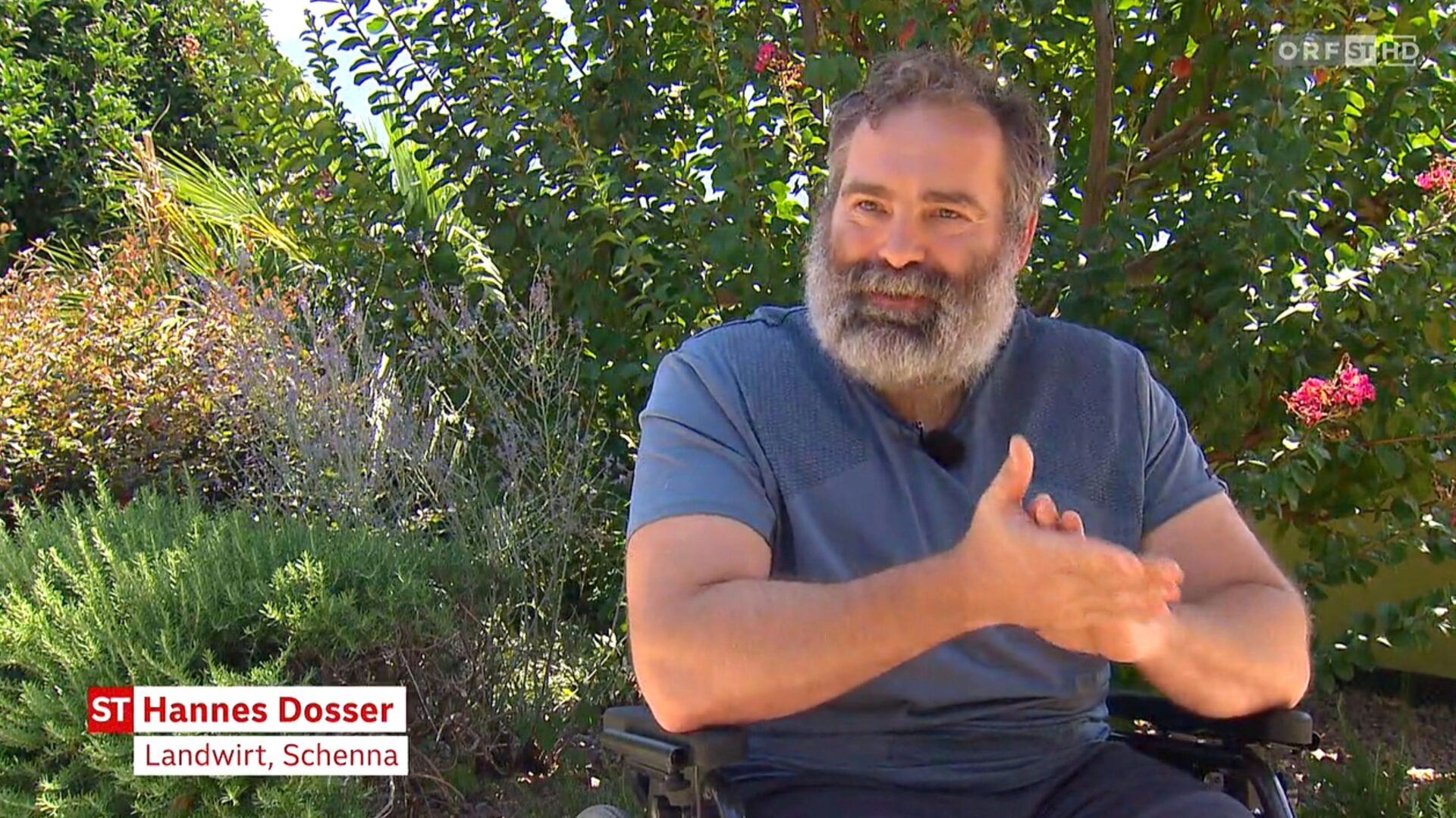
Agriculture continues to be one of the most fascinating yet demanding sectors. Every working day exposes farmers and forestry workers to risks associated with the use of machinery, working at height, handling heavy loads, and often unpredictable environmental conditions. This is precisely why workplace safety is once again a key focus in South Tyrol.
In recent days, the Südtiroler Bauernbund (South Tyrolean Farmers’ Union) announced the establishment of a new Competence Centre dedicated to occupational safety and health protection in the agricultural and forestry sector. The initiative has a clear objective: to further reduce serious accidents through prevention, training, and the wider promotion of a culture of safety. According to data presented by the association, between 2019 and 2024 workplace accidents in South Tyrol’s agricultural sector decreased by approximately 14%, from 1,806 to 1,556 cases—a greater reduction than that recorded in the economy as a whole.
This is an encouraging result, but it also highlights that risk cannot be eliminated completely. Every accident prevented is an important achievement not only for the worker involved, but also for their family, the farm, and the entire community.
Index
Why agriculture remains one of the highest-risk sectors
Agricultural work often requires the simultaneous use of physical strength, complex machinery, and outdoor work. Tractors, chainsaws, winches, balers, forklifts, and other equipment increase productivity, but require ongoing training and close attention.
These are compounded by factors that are often underestimated:
- fatigue accumulated during harvest periods;
- working alone;
- uneven or steeply sloping terrain;
- variable weather conditions;
- time pressure due to seasonal demands.
Many injuries occur precisely when attention levels drop or when carrying out an activity considered “routine”.
Prevention starts with a culture of safety
The new Competence Centre promoted by the Bauernbund focuses precisely on this concept: developing a genuine culture of prevention. Purchasing more modern machinery or personal protective equipment is not enough; it is essential for every worker to develop safe habits and know how to identify risk situations before they become dangerous.
Ongoing training, keeping up to date with regulations, regular equipment maintenance, and activity planning are practical tools for reducing accidents.
Work organisation also plays a crucial role: adequate breaks, proper distribution of workloads, and attention to signs of fatigue help reduce the risk of errors.
When an injury cannot be prevented
Despite all preventive measures, accidents can still occur. In these cases, it is essential to act quickly with an accurate diagnosis and a personalised treatment plan.
The most common injuries in the agricultural sector include:
- limb fractures;
- knee and ankle injuries;
- shoulder injuries;
- tendon and ligament damage;
- spinal injuries;
- deep wounds and crush injuries.
Prompt treatment can often shorten recovery times and limit permanent consequences.
The role of rehabilitation
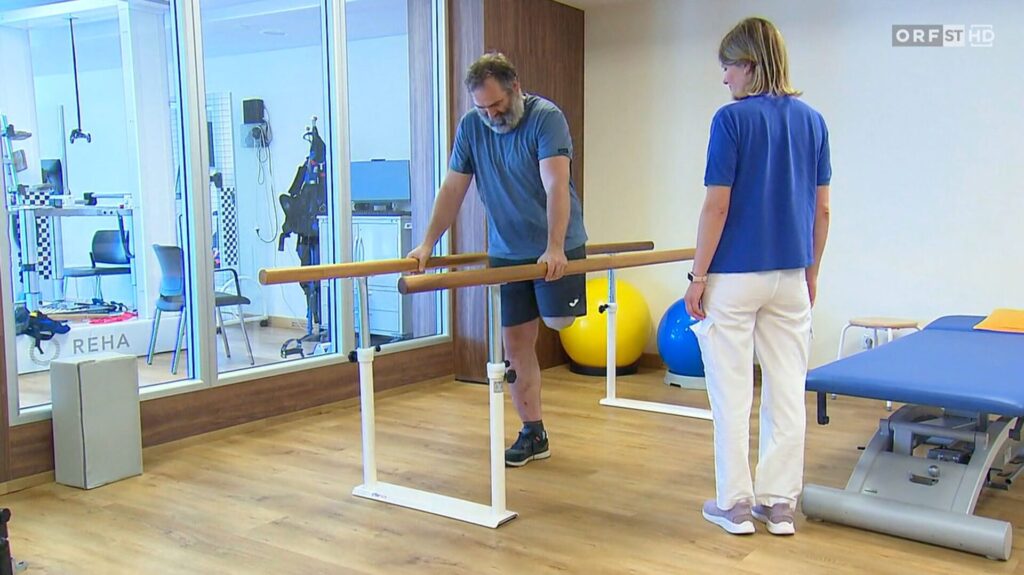
Medical treatment is only the first step in the healing process. For many agricultural workers, the real challenge is fully regaining strength, mobility, and endurance so they can return to physically demanding work.
Modern rehabilitation is not limited to treating pain, but aims to restore full function of the musculoskeletal system through personalised programmes that may include physiotherapy, therapeutic exercises, manual therapy, and advanced rehabilitation technologies.
Incomplete recovery can increase the risk of further injuries or contribute to the onset of chronic pain.
Prevention means protecting long-term health
In addition to acute injuries, people working in agriculture are often subject to repetitive strain affecting the joints, back, and muscles.
Repetitive movements, postures maintained for many hours, and frequent heavy lifting can contribute to the development of chronic conditions such as lower back pain, osteoarthritis, tendinitis, and spinal disorders.
Taking action at the first signs of symptoms can often prevent the problem from worsening and allow people to continue working while maintaining a good quality of life.
Melittaklinik: prevention, diagnosis and functional recovery
Workplace safety does not end when an accident occurs. Qualified healthcare is a fundamental part of the entire process of protecting workers.
Melittaklinik supports patients through a multidisciplinary approach that integrates diagnostic services, specialist orthopaedic consultations, therapeutic treatments and personalised rehabilitation programmes. The goal is to guide each person towards full functional recovery, minimising downtime as much as possible and promoting a safe return to normal work activities.
The Bauernbund initiative demonstrates that prevention is now a shared priority among institutions, associations and healthcare professionals. Continuing to invest in training, safety and healthcare means not only reducing the number of accidents, but also making a tangible contribution to the well-being of the people who work every day in the fields and forests of South Tyrol.
An effective safety culture stems from the combination of three key elements: prevention, awareness and timely care. Only by integrating these aspects is it possible to truly protect workers’ health and ensure a safer future for one of the most important sectors in our region.





