

If you live with joint pain, stiffness or swelling, you may be using anti-inflammatory medications (including over-the-counter) to manage symptoms.
These tools can be helpful, but in the long term they are not the only route: some dietary choices can help lower baseline inflammation and, for many people, improve quality of life.
An important point: nutrition does not “cancel” osteoarthritis and does not replace a full medical and rehabilitation plan.
We consider it part of the plan, alongside movement, physiotherapy, weight control and therapies recommended by a specialist.

Table of contents
How nutrition influences joint health
Inflammation is a natural response: it helps defend and repair. It becomes a problem when it stays active for too long or is widespread, contributing to pain, stiffness and functional decline, especially in conditions like arthritis or osteoarthritis.
The goal is not to “zero out” inflammation, but to bring it back to more manageable levels.
An anti-inflammatory dietary pattern can support this balance, with effects that, for some people, make symptoms more controllable.
6 foods useful for joints
Below are six food choices that, when included regularly, can contribute to an anti-inflammatory profile.
If you have medical conditions, ongoing therapies or intolerances, it’s advisable to always personalize with a professional.
1) Fish rich in omega-3
Omega-3s play a role in modulating inflammatory processes.
You can focus on fish with a good omega-3 content, including them several times a week, compatible with your nutritional plan.
If you are considering supplements (e.g. fish oil), discuss them with your doctor first: doses and indications must be tailored to the individual case.
2) Cruciferous vegetables (and vegetables in general)
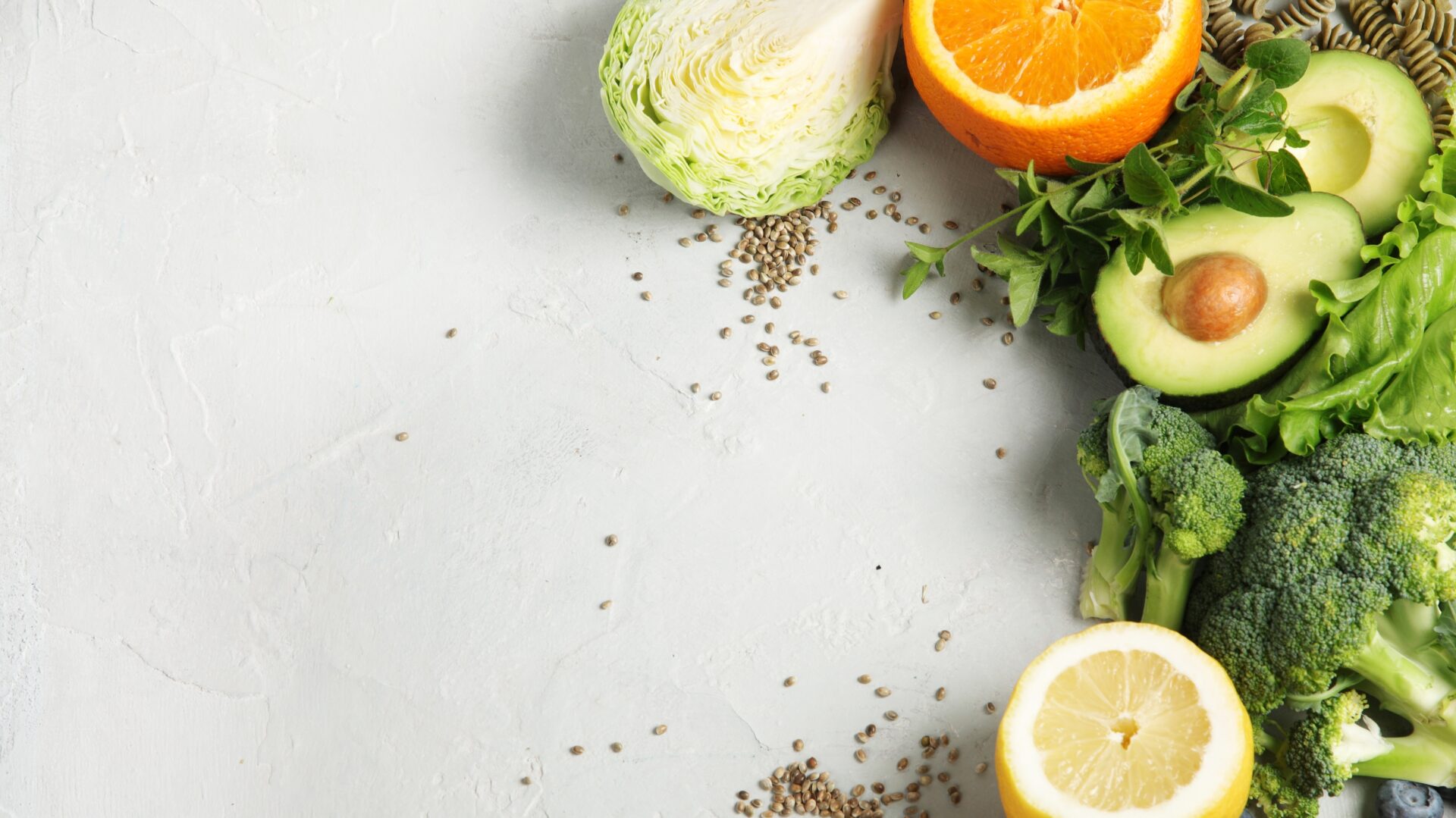
Broccoli, cauliflower, Brussels sprouts and kale are examples of cruciferous vegetables often valued in a diet aimed at reducing inflammation. In general, increasing the portion of vegetables helps improve nutrient density and the intake of protective compounds.
A practical idea: include them in “one-pot” dishes such as soups, complete salads, bowls and stir-fries with legumes or whole grains.
3) Turmeric (with caution)
Turmeric contains curcumin, a compound widely studied for its potential anti-inflammatory role.
Bioavailability is not high, but using it in warm dishes and with “good” fats can favor absorption; it is often paired with pepper.
Concentrated supplements are not for everyone: they can interact with medications or be unsuitable in some conditions.
If you want to try them, do so only after consulting your doctor.
4) Yogurt (fermented foods and the microbiota)
Gut health is an important piece in regulating inflammation.
Fermented foods like yogurt, if tolerated, can help support a more balanced microbiota.
Preferably choose plain unsweetened yogurt and check the label for live cultures.
To make it more palatable you can add fresh fruit and nuts, without turning it into a sugar-rich dessert.
5) Ginger
Ginger contains compounds with antioxidant activity and a potential effect on modulating enzymes related to inflammation.
In practice you can use it in cooking (soups, warm dishes, infusions) as part of an overall dietary pattern.
One rule applies: a single ingredient is not “the therapy”, but it can contribute if used consistently within a correct context.
6) Green tea
Green tea is rich in polyphenols, studied for their possible role in regulating inflammatory processes.
If you drink it regularly, favor good-quality products and limit added sugars (for example avoiding pre-sweetened ready-to-drink teas).
A useful model: Mediterranean diet and joints
Having “friendly foods” is helpful, but the best results usually come from a dietary model consistent over time.
The Mediterranean diet, rich in vegetables, legumes, whole grains, fish, nuts, extra virgin olive oil and spices, is often associated with better inflammation management.
For many people, reducing ultra-processed foods and added sugars, along with weight control, can lighten the load on the joints and improve symptoms.
What to limit if you want to reduce inflammation
For a calmer joint profile, it makes sense to reduce mainly:
- Added sugars and sugary drinks.
- Refined grains and products made with white flours (when they make up a large portion of the diet).
- Trans fats and frequent fried foods.
- Excess processed meats and saturated fats.
- Alcohol in high amounts.
An excess of some oils high in omega-6 (typical of many industrial products) can also signal an overly “processed” diet: more than focusing on a single fat, the goal is to rebalance overall choice quality.
When a medical evaluation is needed
If, despite a healthier diet, joint pain or swelling persists or worsens, it is important to seek an evaluation: it may indicate that diagnosis or therapy should be reassessed.
After the clinical assessment (orthopedic or rheumatologic), qualified nutritional support can help you personalize the plan and determine if there are food sensitivities or habits keeping inflammation high.
For more information or a personalized evaluation, contact our medical team.





