

Occupational Therapy reha physiotherapie ergotherapie 03

Melittaklinik Occupational Therapy

The occupational therapy service

Occupational therapy to regain independence, provided under agreement with the National Health Service (SSN) and privately

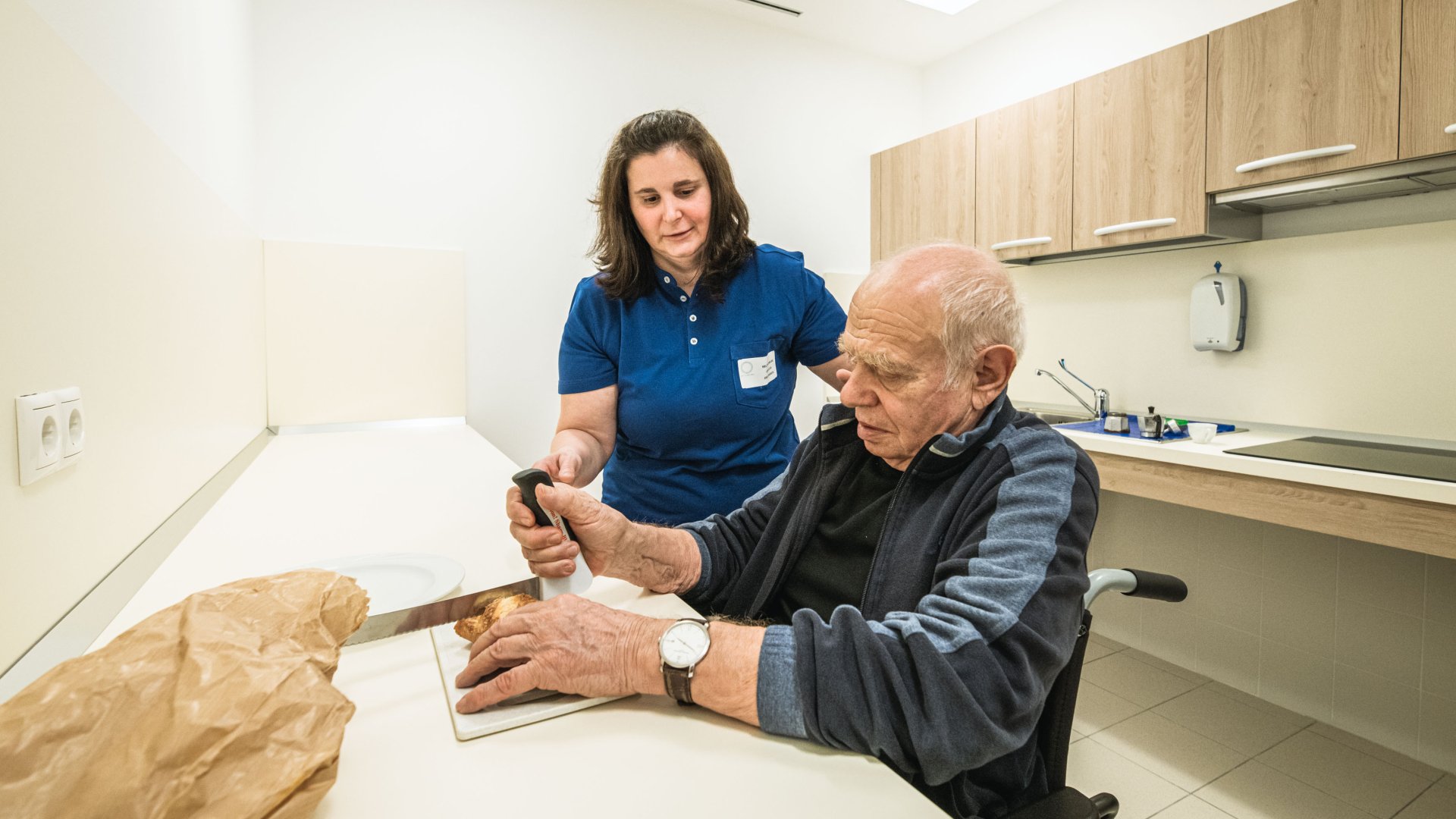
Occupational therapy precisely refers to the treatment that helps patients regain the practical skills needed in daily life that have been compromised by illnesses, injuries, or disabilities. Melittaklinik offers an occupational therapy service both privately and under agreement with the SSN, delivered by qualified professionals specialized in restoring hand and arm function and in re-training activities of daily living.

How to book occupational therapy

Booking methods

Access to occupational therapy under agreement requires a dedicated medical prescription, also referred to as occupational therapy. To book, including privately, simply call the booking number or send an email to the relevant secretary’s office.

What do you need to book?

When booking, please have the following at hand:

  • the referring physician’s prescription indicating the requested service
  • your health insurance card

Who can access the service?

To book a specialist visit under agreement, it is sufficient to be a citizen registered with the National Health Service (SSN).

Departments and reference team

Physical and rehabilitative medicine

Andreas Waldner
Franz Xaver Waldner

Access to the department

Melittaklinik has a space specifically dedicated and equipped for occupational therapy. A lab reproduces elements of a home environment, complemented by specific equipment and ergonomic aids.
Access is via the main lobby. At the outpatient admissions desk, staff welcome patients for appointments.

Methods and devices used

In the room dedicated to occupational therapy there are different devices for exercises of varying complexity, creating a sort of “circuit training.” Not only therapeutic games and manual activities, but also computerized and robotic therapy devices for the upper limbs (Bi-Manu-Track, Reha-Slide Duo, Reha-Slide, Amadeo, Avo Glove, Sun Ball), functional electrical stimulation with biofeedback, and additional innovative equipment.

Caregiver involvement

Family members and caregivers are properly instructed on how to assist a patient safely. If necessary, recommendations are provided for possible home adaptations to create a facilitating environment for the patient and to ensure those providing support have adequate knowledge.

Frequently asked questions

Yes. To access the service under agreement with the National Health Service (SSN), a doctor’s referral is required.

These are practical, individualized exercises, specifically:

  • ADL training (activities of daily living);
  • training in the occupational therapy kitchen;
  • training in washing and dressing to help the patient achieve the greatest possible independence in performing these actions;
  • training in eating: guided movements and specific aids support the recovery of independence;
  • advice and training in the use of aids (for example, sock aid, cutting board and cutlery for people with disabilities);
  • improvement and support in cases of mobility limitations;
  • sensory training;
  • support for fine and gross motor skills;
  • support for coordination;
  • activation and strengthening of the musculature;
  • support of brain functions (for example concentration, orientation, and memory).

Certainly. During the occupational therapy pathway, the occupational therapist helps the patient and caregivers make the home environment more accessible and safe.

Yes, with occupational therapy specific exercises are carried out for cognitive skills, especially when they affect daily life. It should be remembered, however, that for significant cognitive disorders, other professionals may also be involved, including the neuropsychologist and the speech therapist.

It depends on the individual patient and the situation. The goal is always the greatest possible recovery of autonomy, but it is important to assess a realistic recovery in relation to the deficit and the situation.

Yes, the Melittaklinik staff is bilingual. In this case, as usual, communication with the therapists takes place in the patient’s preferred language.

Cutting-edge technologies

Innovation beats at the heart of Melittaklinik.
