

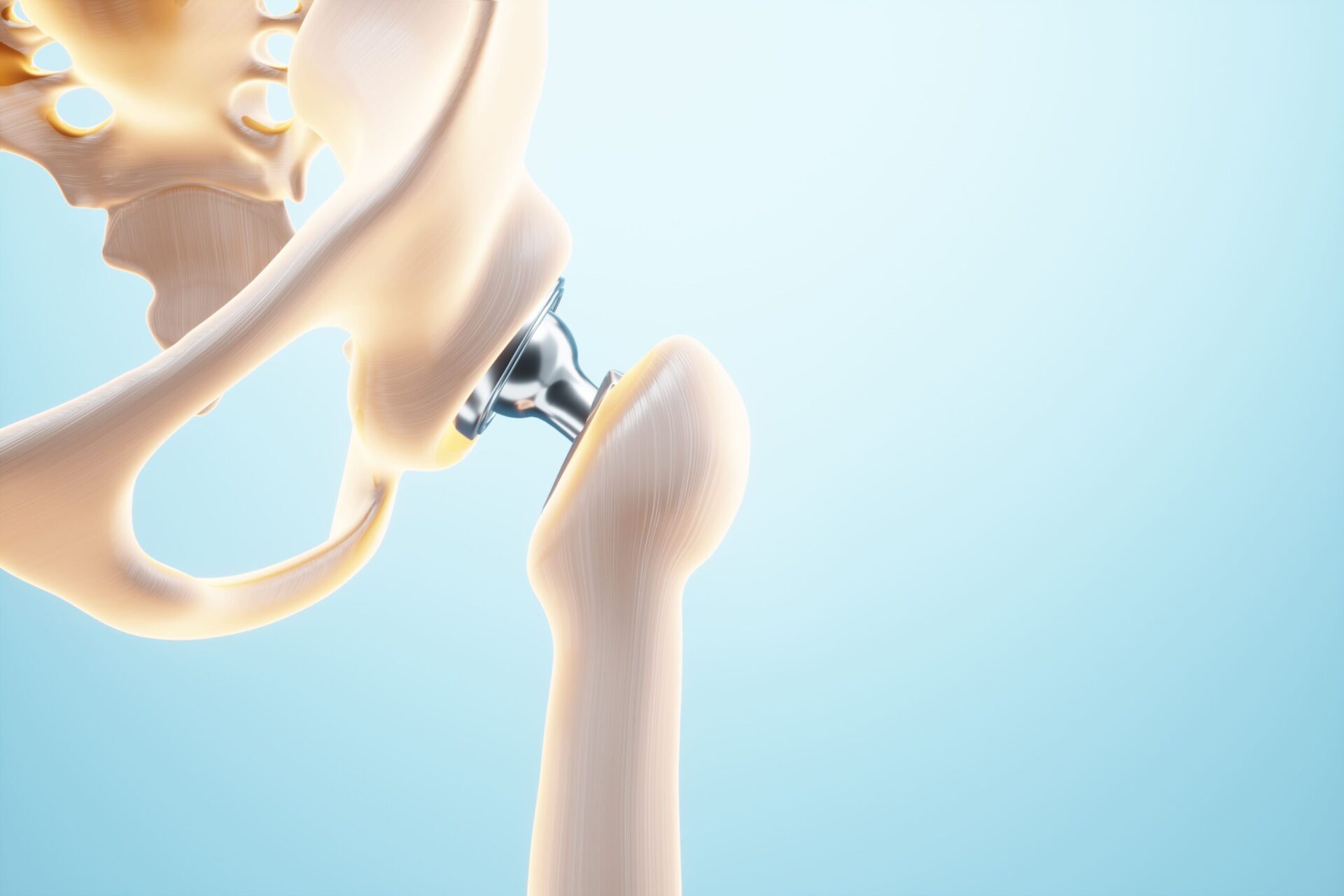
La protesi d’anca (intervento di sostituzione dell’anca) è un’operazione in cui l’articolazione naturale viene sostituita con impianti artificiali. In genere l’intervento dura circa 1–2 ore e il recupero richiede settimane, con un percorso di riabilitazione progressivo.

Indice dei contenuti
Che cos’è la protesi d’anca
La chirurgia di protesi d’anca è un intervento di sostituzione articolare (artroplastica). Nella maggior parte dei casi si esegue una protesi totale: vengono sostituiti la “testa” del femore e la cavità dell’anca (acetabolo) in cui si articola.
Più raramente si può parlare di sostituzione parziale, indicata in casi selezionati (per esempio alcune fratture o condizioni particolari).
Quando può essere indicata una protesi d’anca
Potresti valutare l’intervento quando i sintomi rendono difficile o non sicuro svolgere le normali attività. I segnali più frequenti sono:
- Dolore importante all’anca, anche a riposo o di notte.
- Rigidità e perdita di mobilità (riduzione del range di movimento).
- Difficoltà a camminare, salire le scale, vestirti o svolgere attività domestiche.
- Limitazione crescente nonostante trattamenti conservativi.
La causa più comune è l’artrosi dell’anca, ma anche traumi e altre condizioni possono danneggiare l’articolazione e portare a sintomi simili.
In genere, prima di arrivare alla chirurgia si provano strategie come farmaci, fisioterapia, esercizio mirato e, quando serve, l’uso di un bastone o di un supporto per camminare.
Tipi di protesi d’anca
Lo specialista può proporti:
- Protesi totale d’anca: sostituzione completa dell’articolazione (è la più comune).
- Protesi parziale d’anca: sostituzione di una parte dell’articolazione (più rara e legata a indicazioni specifiche).
La scelta dipende dalla diagnosi, dall’anatomia, dall’età, dal livello di attività e dalla qualità dell’osso.
Come prepararti all’intervento
Prima dell’intervento, il chirurgo esegue visita e valutazioni pre-operatorie. In genere:
- Si analizzano sintomi e mobilità dell’anca.
- Si confronta l’anca interessata con quella controlaterale.
- Ti viene chiesto quali farmaci e integratori assumi (informazione fondamentale per sicurezza e gestione del sanguinamento).
Di solito vengono richiesti alcuni esami, come:
- Esami del sangue.
- Radiografie dell’anca.
- Esami delle urine.
In base al caso possono essere indicati anche altri accertamenti (per esempio TAC o risonanza, elettrocardiogramma).
Come si svolge l’intervento di protesi d’anca
In modo generale, l’intervento segue questi passaggi:
- Anestesia: spesso viene utilizzata un’anestesia regionale (ad esempio spinale), che blocca il dolore in un’ampia area; in alcuni casi può essere associata a sedazione.
- Rimozione delle parti danneggiate: si rimuovono cartilagine e porzioni ossee compromesse.
- Inserimento dell’impianto: la protesi può essere composta da materiali come metallo, plastica e/o ceramica.
- Chiusura della ferita chirurgica: con punti o dispositivi equivalenti.
La durata è spesso tra 1 e 2 ore, ma può variare in base alla complessità e alla tecnica.
Benefici e rischi: cosa aspettarti
La protesi d’anca è un intervento generalmente molto efficace: la maggior parte delle persone riferisce una riduzione significativa del dolore e un miglioramento della rigidità. Con il recupero completo, di solito aumentano autonomia e capacità di camminare, salire le scale e svolgere attività quotidiane.
Come per ogni chirurgia, esistono rischi. Le complicanze non sono frequenti, ma possono includere:
- Trombosi venosa profonda o embolia polmonare.
- Fratture intorno alla protesi.
- Infezione.
- Problemi meccanici dell’impianto (mobilizzazione o lussazione).
- Persistenza di rigidità articolare.
La prevenzione delle complicanze passa da un’adeguata preparazione, dalla gestione del dolore e soprattutto da un programma riabilitativo ben strutturato.
Dopo l’intervento: cosa succede
Dopo l’operazione, il team controlla che il risveglio dall’anestesia avvenga in sicurezza e che non compaiano problemi immediati.
In molti casi la protesi d’anca può essere gestita con dimissione in giornata o con una notte di osservazione, in base alle condizioni cliniche e all’organizzazione del percorso.
Già entro le prime 24 ore, spesso si inizia con esercizi guidati e mobilizzazione controllata. Fisioterapista e chirurgo monitorano:
- Forza e flessibilità.
- Capacità di alzarti e sederti in sicurezza.
- Cammino con gli ausili, se necessari.
Tempi di recupero: quanto ci vuole davvero
Il recupero richiede pazienza e gradualità. In genere:
- Le prime settimane sono dedicate a controllo del dolore, mobilità protetta e recupero della deambulazione.
- La fisioterapia prosegue per alcune settimane o mesi, a seconda degli obiettivi e della risposta individuale.
- Per molte persone servono circa 6–12 settimane per tornare a utilizzare l’anca con poche o nessuna limitazione, ma i tempi possono variare.
L’età può influire, ma non determina da sola l’esito: contano molto la qualità della riabilitazione, la costanza e le condizioni generali.
Cosa evitare nelle prime fasi
Il team di cura ti darà indicazioni precise. In generale, all’inizio si evita di:
- Incrociare gambe o caviglie.
- Guidare finché il chirurgo non dà l’ok.
- Portare le ginocchia troppo oltre la linea della vita.
- Fare torsioni o movimenti estremi dell’anca.
Queste restrizioni non sono permanenti: vengono modulate man mano che recuperi forza e controllo.
Quanto dura una protesi d’anca
Gli impianti moderni sono progettati per durare a lungo. Molte persone mantengono la protesi per molti anni, spesso per il resto della vita. In una minoranza di casi può rendersi necessario un nuovo intervento nel tempo; lo specialista ti spiegherà cosa aspettarti in base al tuo profilo.
Quando contattare subito il medico
Contatta il chirurgo o il team di cura se dopo l’intervento noti:
- Sanguinamento o perdite persistenti dalla ferita.
- Rossore marcato, peggioramento dell’area o secrezioni.
- Pus o cattivo odore dalla ferita.
- Dolore intenso non controllabile.
- Gonfiore importante.
Non aspettare: intervenire presto è la scelta più sicura.
Un percorso su misura
Affrontare un intervento può mettere ansia, ed è normale. Il punto è non restare da solo con dubbi e timori: una valutazione accurata e un programma riabilitativo ben costruito fanno la differenza.
Per maggiori informazioni o per una valutazione personalizzata, contatta il nostro team medico.





